
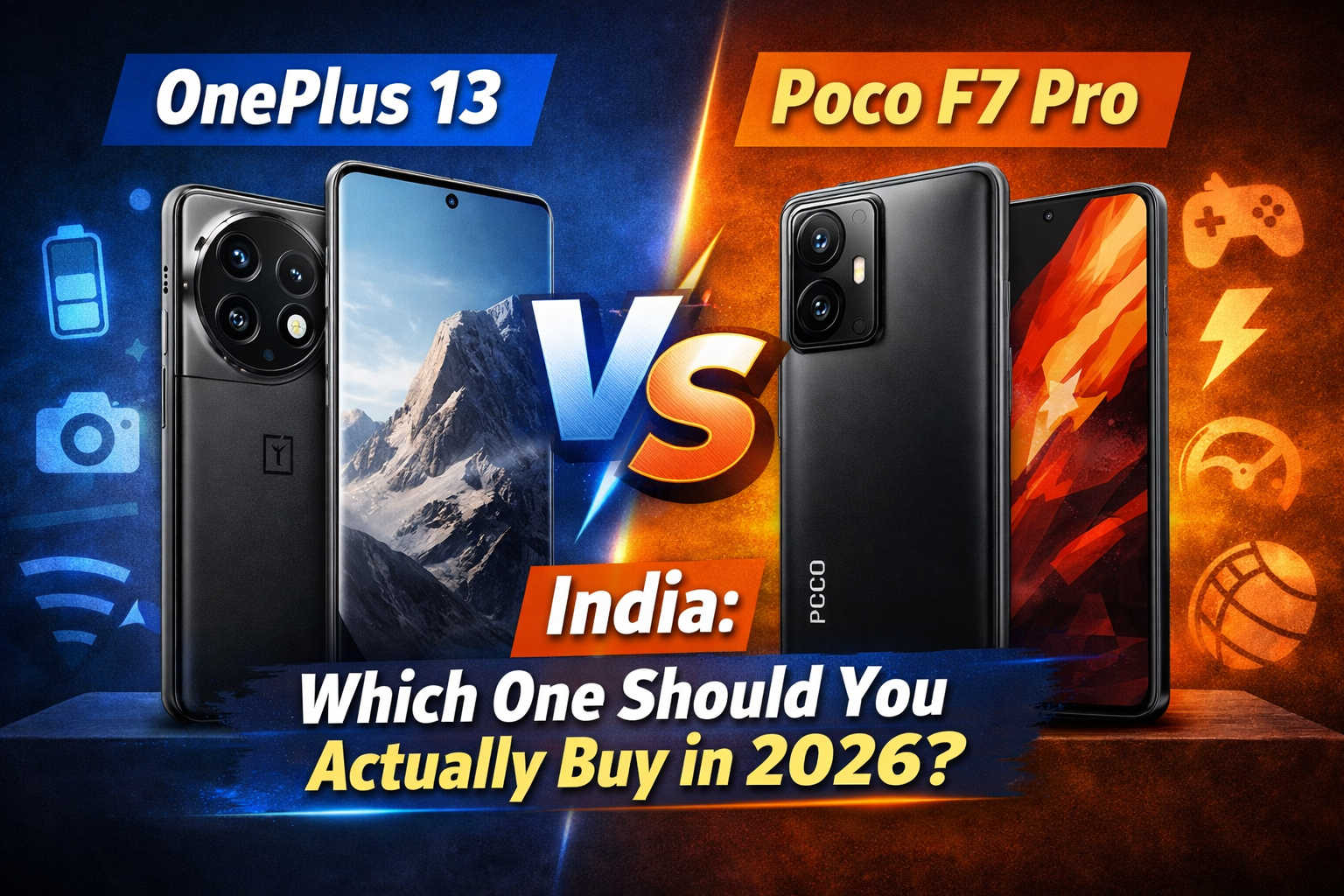
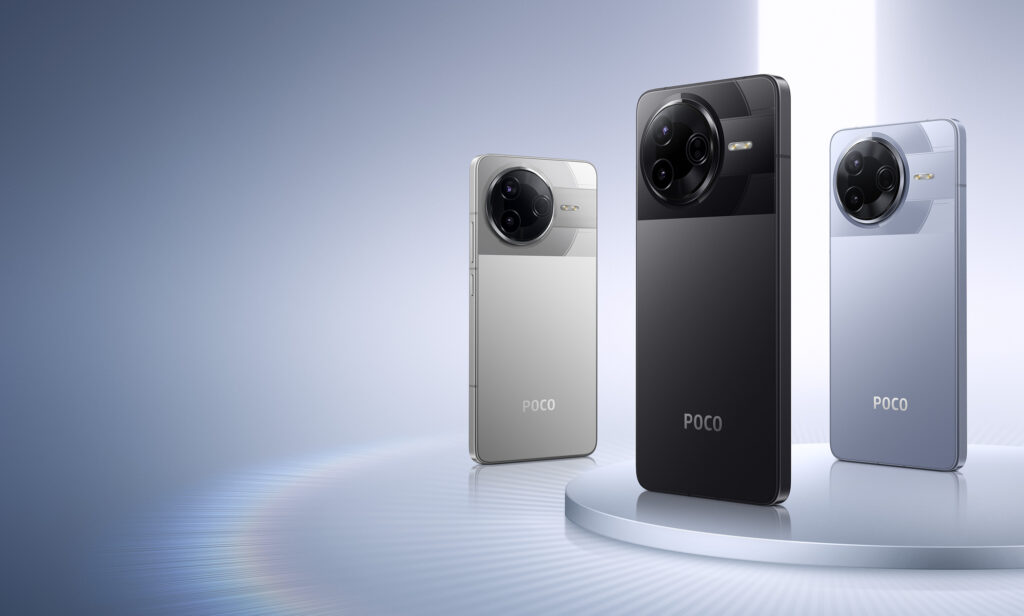
Here’s the thing. The OnePlus 13 and the Poco F7 Pro are both Snapdragon-powered, both pack a 6000mAh battery, and both carry the “flagship killer” badge with pride. But one costs ₹62,999 and the other lands at around ₹42,990. That’s a ₹20,000 gap — enough to buy a decent pair of TWS earbuds and still have change left.
So what do you actually get for that premium? Is the OnePlus 13 vs Poco F7 Pro India debate even close — or is one phone a clear winner? Let’s find out.
🏁 Quick Verdict (For Those in a Hurry)
| OnePlus 13 | Poco F7 Pro | |
| Chipset | Snapdragon 8 Elite (3nm) | Snapdragon 8 Gen 3 |
| Display | 6.82″ LTPO AMOLED, 4500 nits | 6.67″ AMOLED, 3200 nits |
| Camera | Triple 50MP + Hasselblad | 50MP + 8MP ultrawide |
| Battery | 6000mAh, 100W wired + 50W wireless | 6000mAh, 90W wired only |
| IP Rating | IP68 + IP69 | IP68 |
| OS Updates | 4 years Android + 6 years security | 3 years Android updates |
| Price (India) | ~₹62,999 | ~₹42,990 |
| Best For | Premium experience, longevity | Raw performance, value |
📊 Full Specs Comparison: OnePlus 13 vs Poco F7 Pro
| Spec | OnePlus 13 | Poco F7 Pro |
| Processor | Snapdragon 8 Elite (3nm) | Snapdragon 8 Gen 3 (4nm) |
| GPU | Adreno 830 | Adreno 750 |
| RAM Options | 12GB / 16GB / 24GB LPDDR5X | 12GB / 16GB LPDDR5X |
| Storage | 256GB / 512GB / 1TB UFS 4.0 | 256GB / 512GB UFS 4.0 |
| Display Size | 6.82 inches | 6.67 inches |
| Display Type | LTPO AMOLED | AMOLED |
| Refresh Rate | 1Hz – 120Hz (adaptive) | 120Hz (fixed) |
| Peak Brightness | 4500 nits | 3200 nits |
| Rear Cameras | 50MP + 50MP telephoto + 50MP ultra | 50MP + 8MP ultrawide |
| Camera Tuning | Hasselblad Color Calibration | No special tuning |
| Front Camera | 32MP | 20MP |
| Video | 8K @ 30fps, 4K Dolby Vision | 8K @ 24fps |
| Battery | 6000mAh (Silicon Carbon) | 6000mAh |
| Wired Charging | 100W SUPERVOOC | 90W Turbo |
| Wireless Charging | 50W AirVOOC | Not supported |
| IP Rating | IP68 + IP69 | IP68 only |
| OS | OxygenOS 15 (Android 15) | HyperOS 2 (Android 15) |
| Update Promise | 4 years OS + 6 years security | Not officially specified |
| Colours | Black Eclipse, Arctic Dawn, Midnight Ocean | Power Frost White, Cyber Silver, Phantom Black |
| Price (India) | ~₹62,999 (12GB+256GB base) | ~₹42,990 (12GB+256GB) |
📱 Display: The LTPO Advantage
Let’s start where you spend the most time — the screen. The OnePlus 13 runs a 6.82″ LTPO AMOLED panel that dynamically adjusts from 1Hz all the way to 120Hz. That means when you’re reading a static article, it drops to near-zero refresh to save battery. When you’re gaming, it spikes to 120Hz instantly. Peak brightness hits 4500 nits— that’s near-impossible to wash out in harsh Indian sunlight.
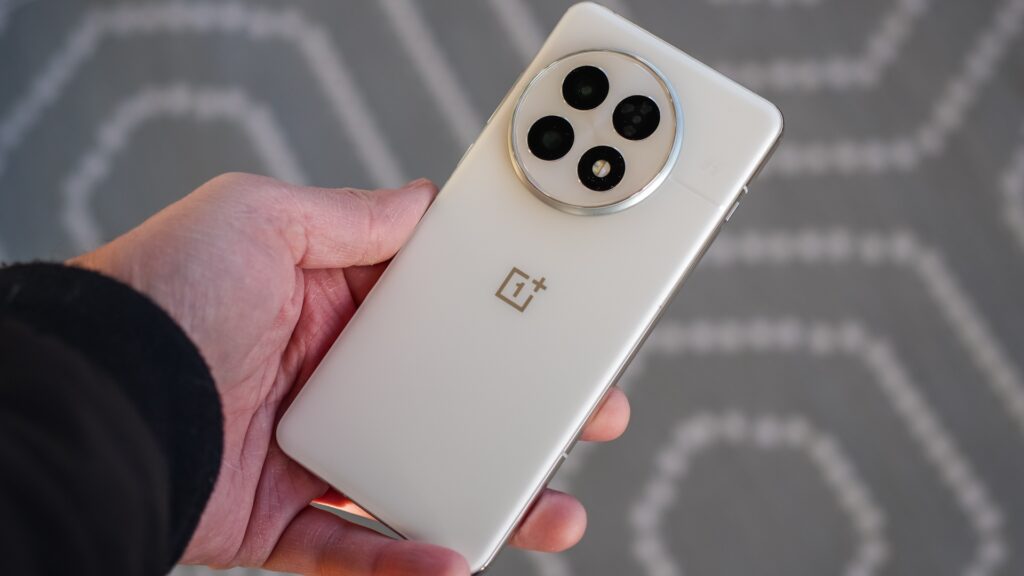
The Poco F7 Pro gets a smaller 6.67″ AMOLED display capped at a fixed 120Hz. It’s still a sharp, vibrant panel — hitting 3200 nits peak — but there’s no LTPO magic, and the smaller size and lower brightness do show.
Winner: OnePlus 13. The LTPO panel, higher brightness, and larger canvas make a real-world difference, especially outdoors.
⚡ Performance: Snapdragon 8 Elite vs Snapdragon 8 Gen 3 India
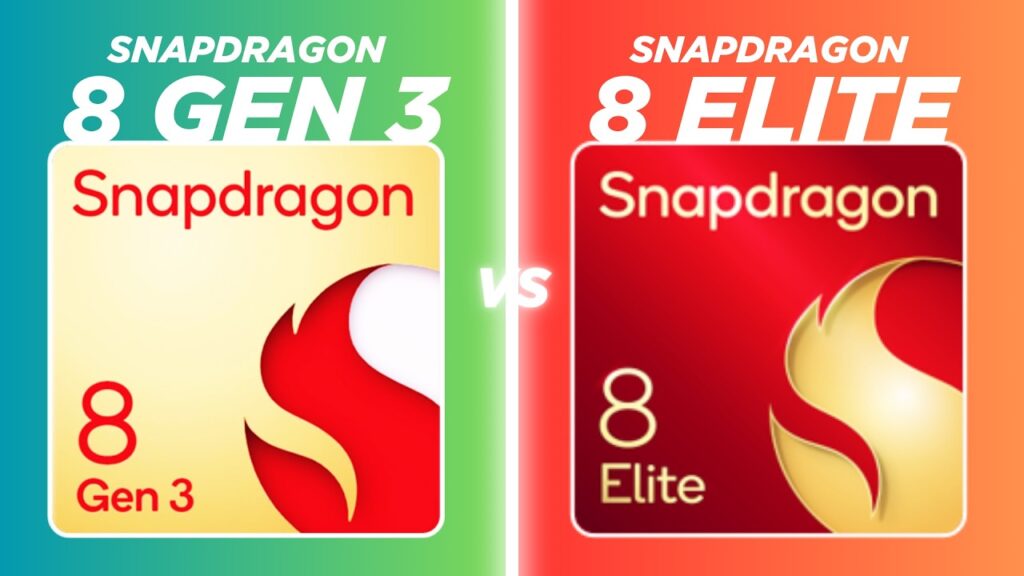
If you follow chipset benchmarks, the Snapdragon 8 Elite in the OnePlus 13 is a full generation ahead of the Snapdragon 8 Gen 3 powering the Poco F7 Pro. In CPU-intensive tasks and gaming benchmarks, the 8 Elite scores roughly 30–40% higher than its predecessor — especially notable in sustained loads.
That said — the 8 Gen 3 is no slouch. For the average user running Instagram, YouTube, Chrome, and even Call of Duty Mobile, the Poco F7 Pro won’t lag or stutter. The difference shows more in sustained gaming (30–45 min sessions), where the 8 Elite maintains performance better under thermal pressure.
Both phones come with UFS 4.0 storage— so app loads and file transfers are blazing fast on both.
Winner: OnePlus 13 (for heavy users and gamers). Poco F7 Pro wins on value-per-frame.
Also read
📷 Camera: Hasselblad Tuning vs Raw Megapixels
This is where the gap becomes most visible. The OnePlus 13 vs Poco F7 Pro camera comparison Indiais frankly not close — and the OnePlus 13 doesn’t just win on specs.

The OnePlus 13 packs:
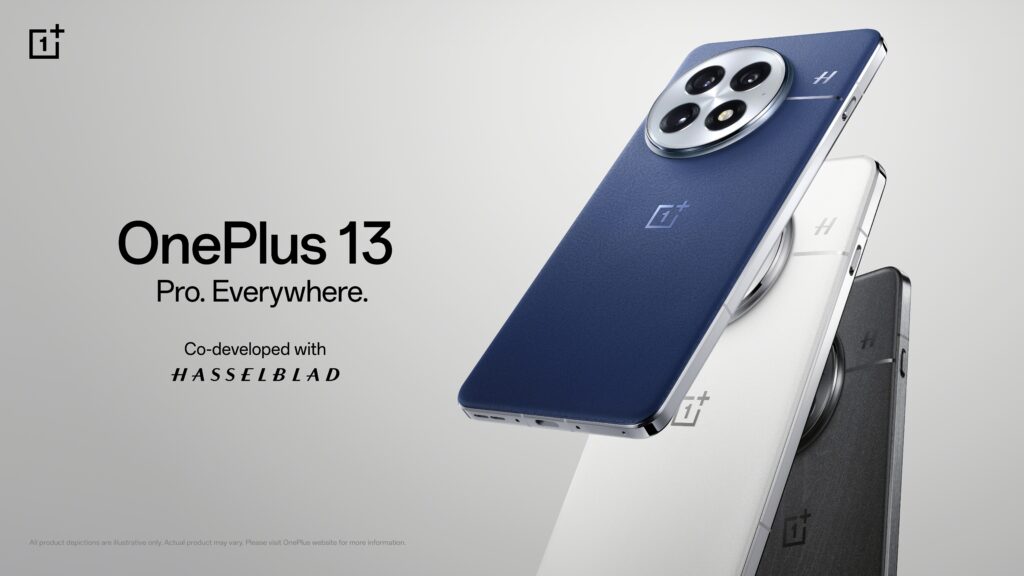
- A triple 50MP system — wide, ultrawide, and a periscope telephoto
- Hasselblad Color Calibration for accurate, film-like tones
- 4K Dolby Vision recording across ALL three cameras (a first)
- 8K @ 30fps video and OIS on the main sensor
- 32MP selfie camera
The Poco F7 Pro packs:
- 50MP main + 8MP ultrawide (no telephoto)
- No periscope zoom
- 20MP front camera
- 8K @ 24fps video
If you shoot portraits, zoom shots, or care about colour accuracy — the OnePlus 13 is miles ahead. The Hasselblad tuning alone makes photos look noticeably more natural and detailed. Night photography on the OnePlus 13 is particularly strong.
The Poco F7 Pro’s cameras are decent for daylight shots but fall behind in low light and completely lack zoom capability. For content creators and photographers, this is a dealbreaker.
Winner: OnePlus 13 — by a wide margin on camera versatility and quality.
🔋 Battery & Charging: 100W vs 90W India
Both phones run a 6000mAh battery— but the OnePlus 13’s silicon-carbon cell has higher energy density, which translates to better endurance despite the larger, brighter display.

On charging: the OnePlus 13 hits 100W wired and 50W wireless. That’s a full charge in under 35 minutes via wire, or about 75 minutes wirelessly. The Poco F7 Pro tops out at 90W wired only— no wireless charging at all.
In Indian daily usage — heavy WhatsApp, YouTube, Maps — both phones will easily last a full day and often into the next morning. The OnePlus 13 pulls ahead slightly in display-heavy workloads thanks to the LTPO panel’s power savings.
Winner: OnePlus 13 (wireless charging + silicon carbon battery edge it out).
📲 Software: OxygenOS vs HyperOS India
The OnePlus 13 runs OxygenOS 15— a clean, near-stock Android experience that OnePlus fans love. Minimal bloatware, fast app switching, and a smooth, consistent UI.
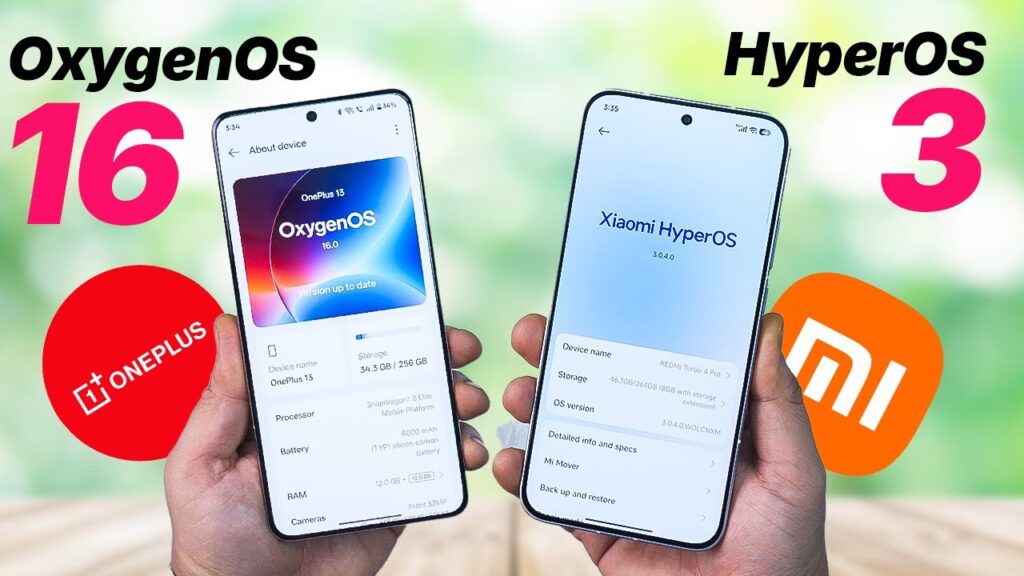
The Poco F7 Pro runs HyperOS 2— Xiaomi’s latest OS that’s more feature-packed but also ships with several pre-installed apps. It’s more customisable, but noisier out of the box.
Crucially, the OnePlus 13 is officially promised 4 years of Android updates and 6 years of security patches. Poco has not made comparable commitments for the F7 Pro. If you’re keeping a phone for 3+ years in India, this matters a LOT.
Winner: OnePlus 13 for longevity. Poco F7 Pro for customisation fans.
🏗️ Build Quality & IP Rating India
The OnePlus 13 goes above and beyondwith both IP68 and IP69 ratings— meaning it’s not just submersible in water, it can also handle high-pressure water jets. That’s unusual in this price range.
The Poco F7 Pro carries IP68— still solid waterproofing (1.5m for 30 mins), but the additional IP69 resistance in the OnePlus 13 is a meaningful bonus for India’s monsoon season.
Winner: OnePlus 13 (IP68 + IP69 is genuinely rare and useful in India).
You will also like Best Laptops for Students in India 2026 (Under ₹1 Lakh)
💰 Price in India: OnePlus 13 vs Poco F7 Pro
| Variant | OnePlus 13 Price India | Poco F7 Pro Price India |
| 12GB + 256GB | ~₹62,999 | ~₹42,990 |
| 12GB + 512GB | ~₹68,999 | ~₹46,990 |
| 16GB + 512GB | ~₹72,999 | — |
| 24GB + 1TB | ~₹79,999 | — |
A quick note: while the OnePlus 13 is widely available on Amazon India and OnePlus.in, the Poco F7 Pro hasn’t had a full official India launchas of early 2026. It’s available via select online retailers and import channels — always verify availability and warranty support before buying.
🎯 OnePlus 13 vs Poco F7 Pro: Who Should Buy What?
Buy the OnePlus 13 if:
- You want the best camera in this price range
- Hasselblad colour tuning and Dolby Vision video matter to you
- You’re keeping the phone for 3+ years (better update support)
- Wireless charging is important to your daily routine
- You value build quality — IP69 + premium feel
- You shoot content, reels, or travel photography
Buy the Poco F7 Pro if:
- You want flagship-level performance without spending 63K+
- Gaming is your main use case and you want the best price-per-frame ratio
- You’re okay with a smaller screen and no telephoto camera
- You prefer HyperOS customisation over stock Android
- Budget is your top priority and ₹20,000 savings matter
🏆 Final Verdict: OnePlus 13 vs Poco F7 Pro India (2026)
The OnePlus 13 vs Poco F7 Pro India debate really comes down to what you value most.
The OnePlus 13 wins on almost every spec sheet category — better chip, better camera, better display, better build, better software longevity. If you can justify ₹62,999, it’s one of the best-value Android flagships available in India right now.
The Poco F7 Pro is a legitimately excellent phone at ₹42,990. The Snapdragon 8 Gen 3 still screams through daily tasks, the battery is excellent, and for gamers on a budget, it hits the sweet spot. But the lack of a telephoto camera, no wireless charging, and weaker update promise are real compromises.
The bottom line: If money is no concern, the OnePlus 13 is the obvious choice. If ₹20,000 matters more than a telephoto lens and LTPO — the Poco F7 Pro delivers 90% of the experience at 70% of the price.
❓ FAQs: OnePlus 13 vs Poco F7 Pro India
Is the Poco F7 Pro worth buying in India in 2026?
Yes — if raw performance and value for money are your priorities. It delivers Snapdragon 8 Gen 3 performance at sub-₹45,000, which is genuinely impressive. Just be aware it hasn’t had a full official India launch, so warranty support may vary.
Does OnePlus 13 have a better camera than Poco F7 Pro?
Absolutely. The OnePlus 13 packs a triple 50MP system with Hasselblad tuning, OIS, and a periscope telephoto — none of which the Poco F7 Pro offers. For anyone who cares about photography, the OnePlus 13 wins easily.
Which is better for gaming in India — OnePlus 13 or Poco F7 Pro?
For pure gaming, the OnePlus 13’s Snapdragon 8 Elite handles sustained gaming sessions better with less throttling. The Poco F7 Pro’s 8 Gen 3 is still very capable for most games, but heavy titles like Genshin Impact or BGMI will run more stably on the OnePlus 13.
Does Poco F7 Pro support wireless charging?
No. The Poco F7 Pro only supports 90W wired charging. If wireless charging is important to you, the OnePlus 13 (50W wireless) is the better pick.
Which phone has a better display — OnePlus 13 or Poco F7 Pro?
The OnePlus 13 wins here too. Its 6.82″ LTPO AMOLED panel with 4500 nits peak brightness and adaptive 1-120Hz refresh rate is significantly more advanced than the Poco F7 Pro’s fixed 120Hz, 3200 nits panel.
What is the OnePlus 13 price in India in 2026?
The OnePlus 13 starts at approximately ₹62,999 for the 12GB+256GB variant in India. Higher storage configs go up to ₹79,999 for the 24GB+1TB variant.
Also Read : Best UPI Apps in India (2026): PhonePe vs GPay vs Paytm – Which One Is Actually Better?
Best Mobile Gimbals in India 2026: Smooth Your Shots Like a Pro
[…] Must Read Best UPI Apps in India (2026): PhonePe vs GPay vs Paytm – Which One Is Actually Better?OnePlus 13 vs Poco F7 Pro India: Which One Should You Actually Buy in 2026? […]
[…] “OnePlus 13 vs Poco F7 Pro“ […]
[…] OnePlus 13 vs Poco F7 Pro: Which is the Real Flagship Killer in India? […]