
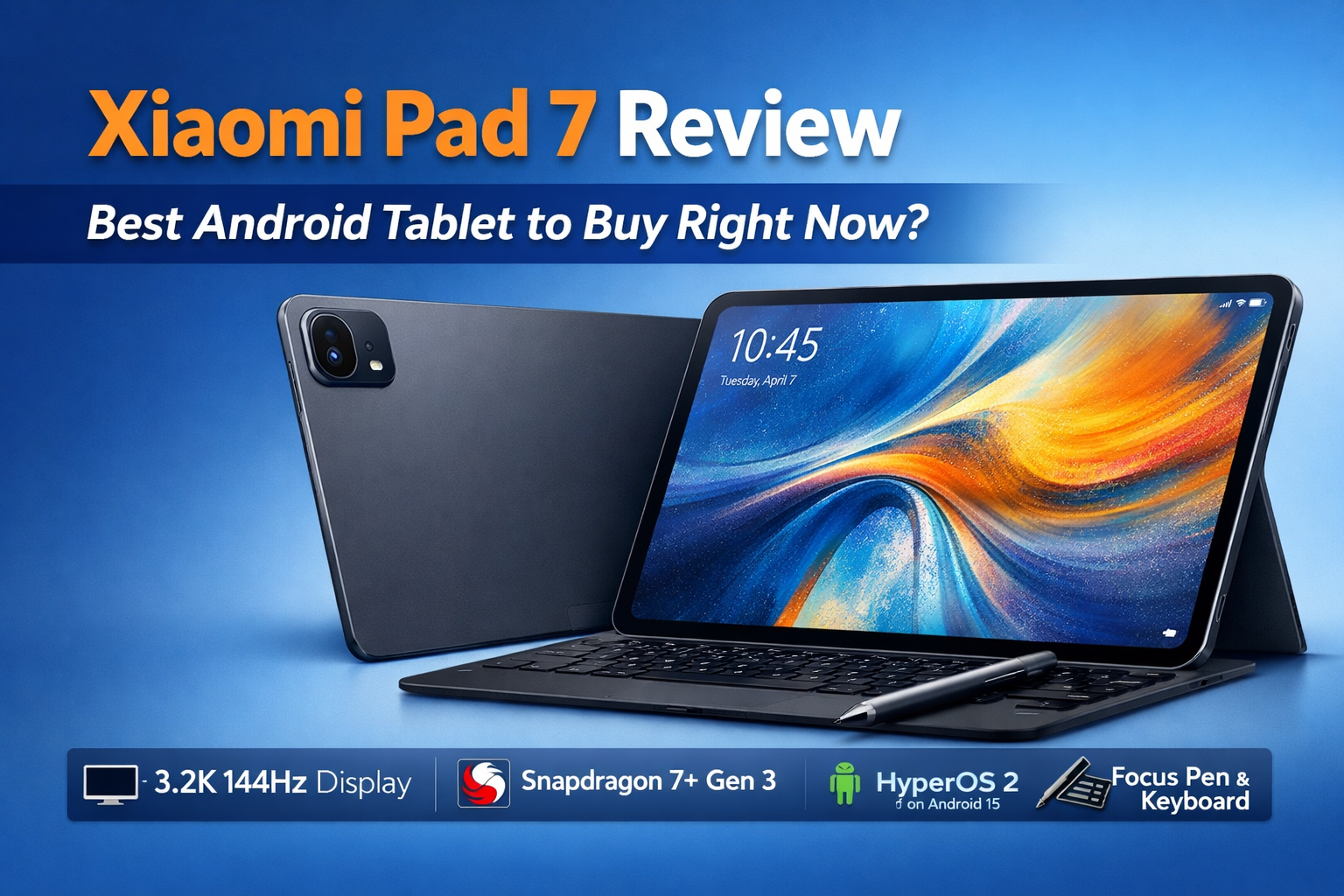
If you’ve been searching for the best Android tablet in 2026, chances are the Xiaomi Pad 7 has come up more than once — and for good reason. Announced at MWC 2025 and launched in India in January 2025, the Xiaomi Pad 7 has matured into one of the most well-rounded Android tablets at its price point, now available for as low as Rs 30,999 on major platforms.
With a class-leading 3.2K 144Hz display, the capable Snapdragon 7+ Gen 3 chip, Android 15 with HyperOS 2, and an excellent accessory ecosystem, the Xiaomi Pad 7 is gunning hard at the iPad’s dominance in the mid-range tablet space. But does it actually deliver? We dig into every detail in this full Xiaomi Pad 7 review to help you decide.
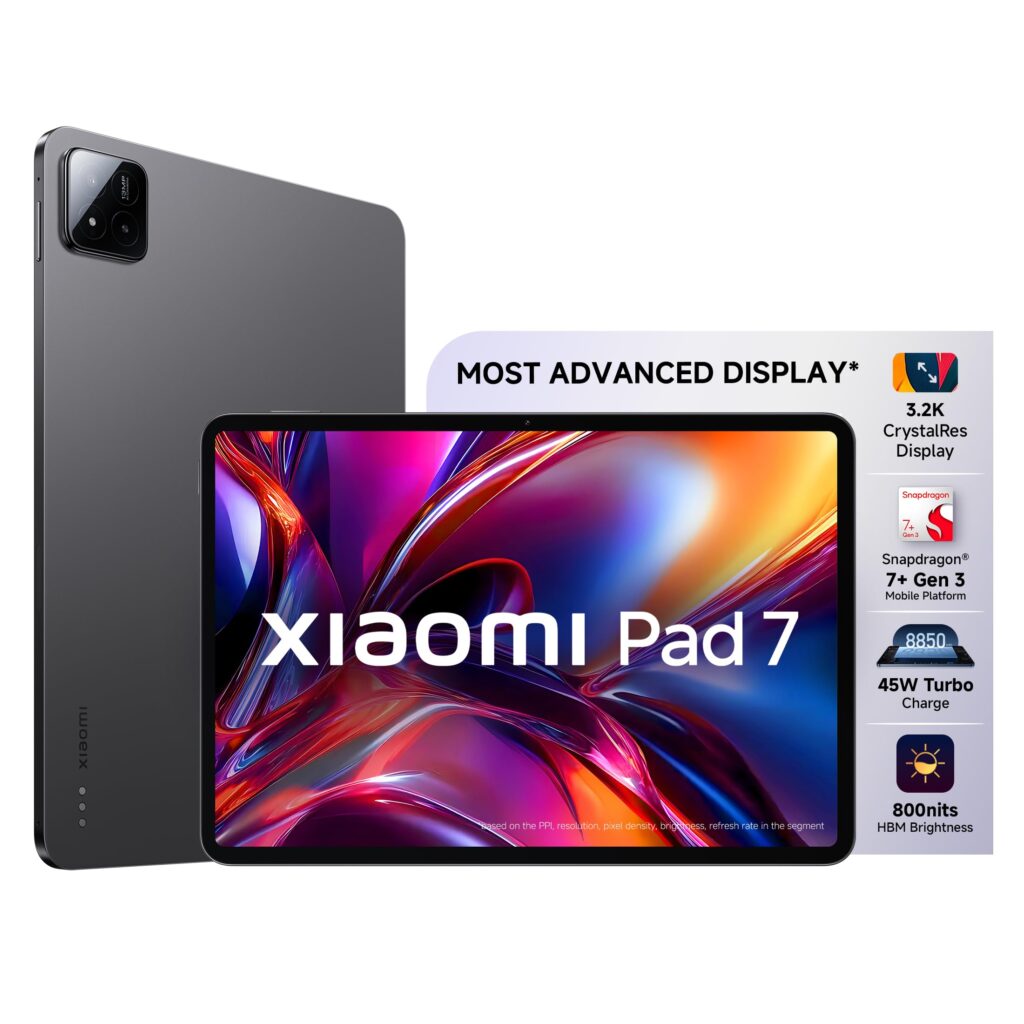
Xiaomi Pad 7: Full Specifications
| Display | 11.2-inch IPS LCD (3.2K), 3200 x 2136 px, 144Hz, 345 PPI, 800 nits, Dolby Vision, HDR10 |
| Processor | Qualcomm Snapdragon 7+ Gen 3 (4nm), Octa-core up to 2.8GHz, Adreno 732 GPU |
| RAM & Storage | 8GB + 128GB (LPDDR5X + UFS 3.1) | 12GB + 256GB (LPDDR5X + UFS 4.0) |
| Battery | 8,850 mAh, 45W Turbo Charging (adapter sold separately) |
| Operating System | Android 15 with HyperOS 2 |
| Rear Camera | 13MP, f/2.2, PDAF, 4K@30fps, 1080p@60fps |
| Front Camera | 8MP, f/2.3, 1080p@30fps, FocusFrame AI |
| Audio | Quad speakers, Dolby Atmos, 200% volume boost |
| Connectivity | Wi-Fi 6E, Bluetooth 5.4, USB-C (USB 3.2 Gen 1), IR blaster |
| Build | Aluminium unibody, 6.18mm thin, 500g |
| Display Options | Standard | Nano Texture Glass (soft-light, anti-glare) |
| Dimensions | 251.2 x 173.4 x 6.18mm |
| Colours | Graphite Grey, Mirage Purple, Sage Green |
| Price in India | Rs 27,999 (8GB/128GB) | Rs 30,999 (12GB/256GB) | Rs 32,999 (Nano Texture) |
Design and Build: Thin, Premium, and iPad-Inspired
At 6.18mm thick and 500g, the Xiaomi Pad 7 is one of the slimmest and most elegant tablets in the sub-Rs 35,000 category. The full aluminium unibody construction feels genuinely premium — there are no plastic panels, no antenna lines on the exterior, and no creaking whatsoever. Xiaomi has clearly taken design cues from Apple here, and the result is a tablet that looks and feels far more expensive than it costs.
The 3:2 aspect ratio is a departure from traditional 16:10 tablet screens and makes the Pad 7 feel more like a productivity tool — documents, spreadsheets, and web pages fill the screen more naturally. The thin bezels give it an 85.8% screen-to-body ratio, and the front camera is placed on the long edge, which is ideal for video calls.
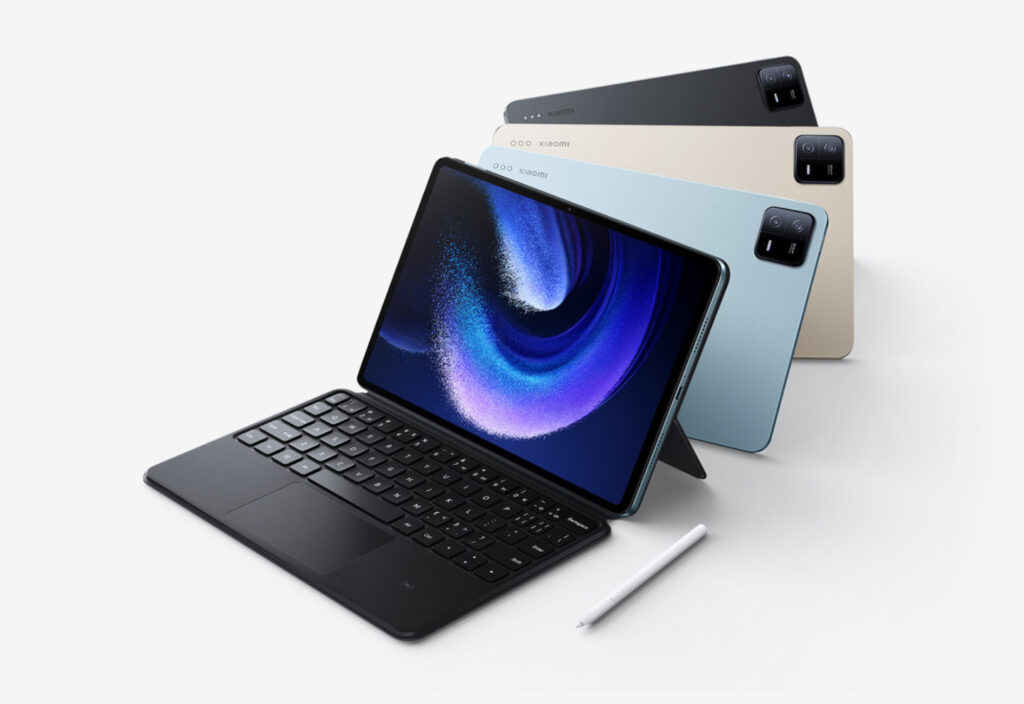
A quick note on the Nano Texture variant: The Rs 32,999 Nano Texture Glass edition adds a paper-like anti-glare coating that reduces reflections significantly — a great pick for students and writers who use their tablet under varied lighting conditions. It’s a feature you’d usually pay a lot more for on iPads.
One ongoing complaint: There’s still no fingerprint sensor. You’ll rely entirely on face unlock or a PIN. While face unlock works quickly and reliably, a side-mounted fingerprint scanner would have been a natural addition at this price.
Display: The Star of the Show
The Xiaomi Pad 7 sports one of the best tablet displays you can get at this price in 2026. The 11.2-inch IPS LCD panel hits 3200 x 2136 resolution — that’s 3.2K, at 345 pixels per inch. Text is razor sharp, images are vibrant, and the 800-nit peak brightness handles most indoor environments with ease, including use near windows.
The 144Hz refresh rate is where the Pad 7 genuinely shines over most of its competition in this price bracket. Everything from scrolling through social media to navigating HyperOS feels buttery smooth. Xiaomi also supports adaptive refresh rate that scales down to 60Hz when appropriate, helping preserve battery life. When you pair the 144Hz screen with the Focus Pen, you also get an impressive 240Hz pen sampling rate — making handwriting and sketching feel incredibly responsive.
Dolby Vision and HDR10 support mean streaming on Netflix, Prime Video, and YouTube looks noticeably better than on competing tablets in this range. TUV Rheinland certifications for Low Blue Light and Flicker-Free make it one of the safest displays for long reading sessions, which is a meaningful advantage for students.
Bottom line on the display: Short of an OLED panel (which you’d need to spend significantly more for), this is as good as it gets in the sub-Rs 35,000 Android tablet space in 2026.
Performance: Snapdragon 7+ Gen 3 Handles Everything You Throw at It
The Qualcomm Snapdragon 7+ Gen 3 is a 4nm chip that occupies a sweet spot between mid-range efficiency and near-flagship performance. In real-world use on the Xiaomi Pad 7, the difference compared to the Snapdragon 870 in the Pad 6 is immediately noticeable — apps launch faster, multitasking is snappier, and GPU-heavy content renders with fewer dropped frames.
Everyday tasks like web browsing, video streaming, document editing, and video calls run flawlessly. Gaming is a strong suit — titles like BGMI, Genshin Impact, and Asphalt 9 run at high settings with the 144Hz screen doing justice to the smooth frame rates. The Adreno 732 GPU handles graphically intensive games comfortably for extended sessions without excessive heat buildup.
HyperOS 2 introduces a revamped multi-window system that lets you run up to four apps simultaneously. The floating window mode lets you pin a small app over any other — handy for referencing notes while writing or watching a video while browsing. The Xiaomi HyperConnect feature also allows deep integration with Xiaomi smartphones, letting you share clipboard, cross-device camera, and multi-screen collaboration between devices.
AI features: The Pad 7 comes with Google Gemini built in, providing AI writing, image generation, and conversational assistance system-wide. Xiaomi’s own HyperAI layer adds additional tools for transcription, AI Art, and note summarization — though most users will find Gemini the more polished daily driver of the two.
Battery Life: Great for Most, Draining Under Heavy Use
The Xiaomi Pad 7 packs an 8,850 mAh battery — a marginal bump from the Pad 6’s 8,840 mAh but effectively the same capacity. For moderate users, it comfortably lasts a full day and occasionally pushes into two days of light usage — streaming, browsing, reading, and occasional gaming.
Under heavy use — sustained gaming at 144Hz, extended video calls, or intensive multitasking — battery drain is noticeably faster. Indian users on Amazon have specifically flagged this in reviews, noting that heavy gaming can drain the tablet within 5-6 hours. This is not unusual for a 144Hz panel, but it’s worth being aware of if you’re a power user.
Charging: The 45W Turbo Charger gets you from 0 to 100% in approximately 95 minutes. Note that the charger is NOT included in the box — you’ll need to purchase the Rs 999 Xiaomi 45W adapter separately. It’s a cost-cutting move that’s hard to justify at this price point.
Camera: Perfectly Adequate for a Tablet
The Xiaomi Pad 7 has a 13MP rear camera and an 8MP front camera — both capable of recording 4K and 1080p video respectively. As with any tablet camera, managing expectations is key. The rear camera is most useful for document scanning, whiteboard capture, and occasional snapshots, and it does all of those tasks well.
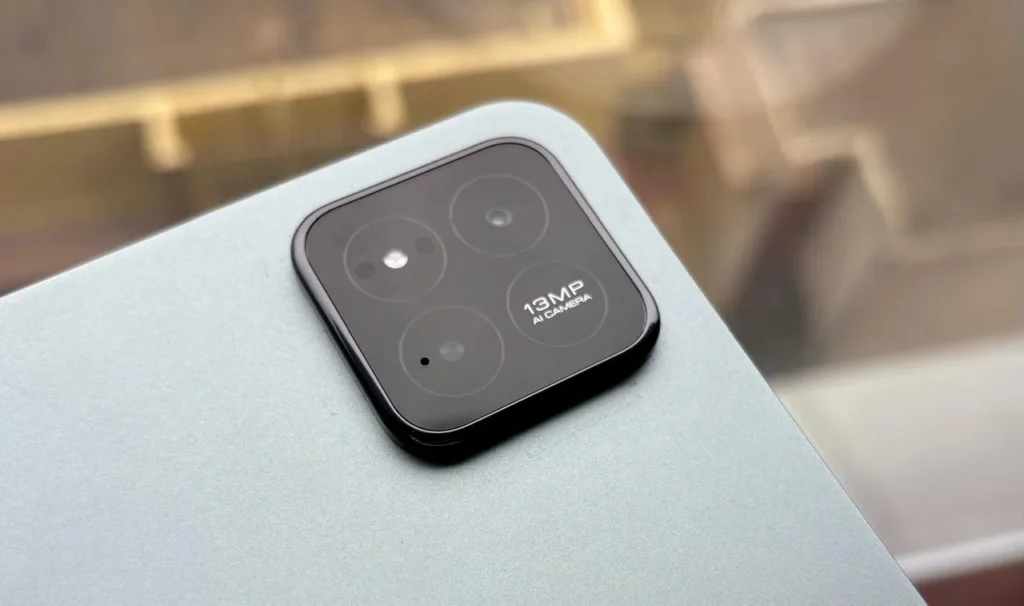
The front camera, placed on the long edge of the tablet, is the real workhorse here. FocusFrame automatically keeps you centred in the frame during video calls — a feature that was rare in this price range until recently. Video call quality is excellent, and the microphone picks up voice clearly even from a distance. For students attending online classes and professionals on remote calls, the front camera experience is genuinely impressive.
Software: HyperOS 2 on Android 15 — the Best Xiaomi Tablet OS Yet
The Xiaomi Pad 7 ships with HyperOS 2 built on Android 15, and it’s the most polished tablet operating system Xiaomi has ever shipped. The interface is clean and well-adapted for the 11.2-inch screen — unlike some Android skins that simply stretch phone layouts onto tablet displays, HyperOS 2 genuinely optimises for multitasking, split-screen, and desktop-style usage.
The taskbar at the bottom makes switching between apps intuitive, and the updated split-screen mode is more flexible than ever. Xiaomi has also made a concrete 4-year software update commitment for the Pad 7 — meaning guaranteed updates through to Android 19. This is a significant improvement over the Pad 6 and brings Xiaomi closer to the update longevity promise Samsung offers.
Google Gemini integration is one of the standout additions to HyperOS 2 on this device. You can summon Gemini from anywhere with a long-press of the power button, use Go Live for real-time visual assistance, and access AI-generated images and writing help system-wide. In 2026, this kind of native AI integration makes the Pad 7 feel modern and forward-thinking.
Xiaomi Pad 7 for Students: Is It the Best Study Tablet in 2026?
The Xiaomi Pad 7 has quietly become one of the most recommended tablets for students in India, and it’s not hard to see why. Everything from the display to the accessory ecosystem seems purpose-built for the classroom and study desk.
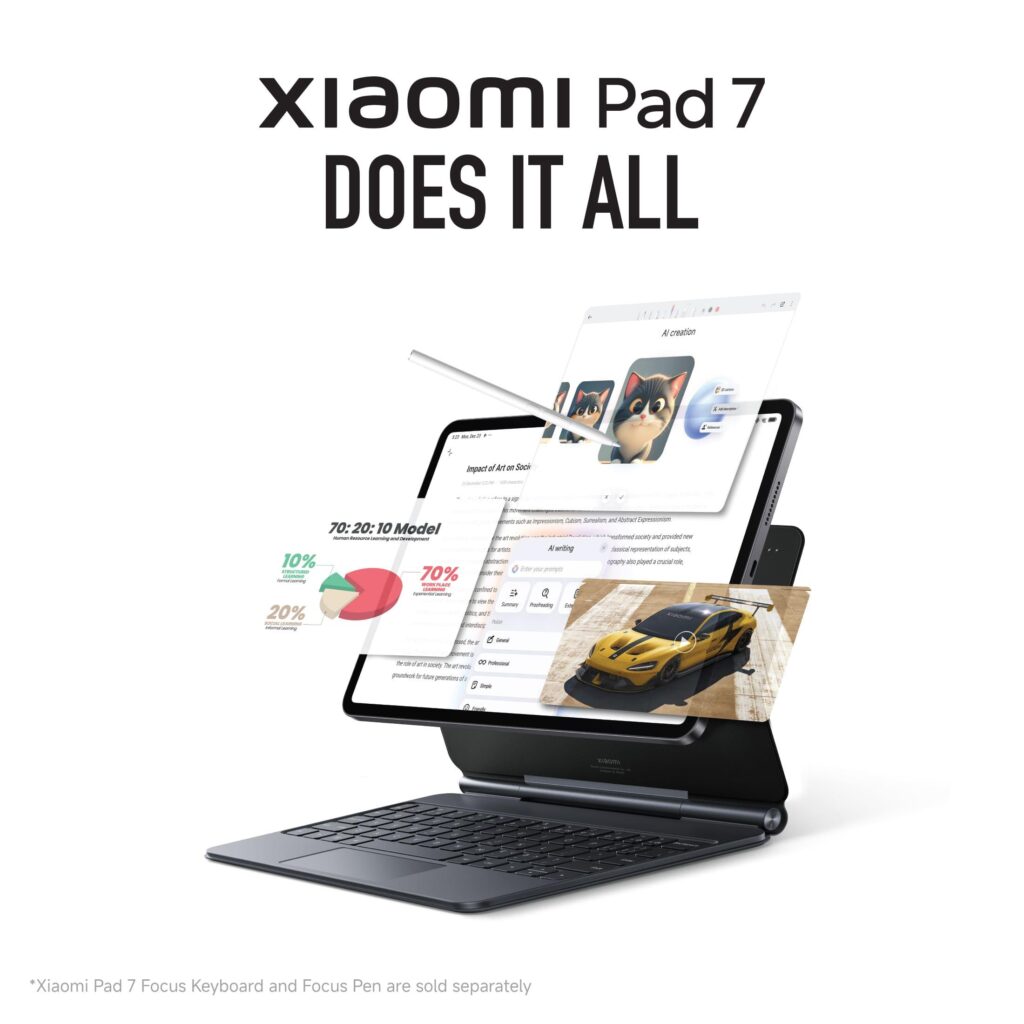
The 3.2K display at 345 PPI means text is razor-sharp — whether you’re reading PDFs, annotating notes, or following along in an online class. The Nano Texture Glass edition takes this a step further by adding an anti-glare coating that eliminates reflections from overhead lights and windows, making it far more comfortable for long reading and writing sessions. The display’s TUV Rheinland certifications for Low Blue Light and Flicker-Free also reduce eye strain significantly during long study sessions.
The Focus Pen (Rs 5,999) is the real game-changer for students. With 240Hz pen sampling rate and near-zero activation force, handwriting and sketching feel incredibly natural and responsive. Whether you’re taking lecture notes, annotating textbooks, or solving equations, the Feel Pen experience on the Pad 7 is noticeably better than competing Android styluses at this price.
For online classes, the front camera placed on the long edge of the tablet means you maintain natural eye contact during video calls — a small but meaningful detail. The FocusFrame AI keeps you centred in the frame automatically, which is useful if you move around while attending lectures.
The Focus Keyboard (Rs 8,999) completes the package. Add it to the Pad 7 and you have a laptop-style setup for typing assignments, taking notes, and working in split-screen with your browser and document editor side by side. The total cost with both accessories is around Rs 44,000 — still significantly cheaper than any iPad equivalent.
The one area where iPad has a clear edge for students is the software ecosystem — the App Store offers thousands of dedicated education apps like GoodNotes, Notability, and Swift Playgrounds that don’t have Android equivalents as per MobileAppDaily If your school or university relies heavily on Apple-specific apps, the iPad remains the safer choice. But for most Indian students who need a capable, affordable, and versatile study tool, the Xiaomi Pad 7 is hard to beat.
Must Read : MacBook Air M5 (2026) Review: Price, Specs, Performance & Should You Buy It?
Xiaomi Pad 7 Gaming Performance: How Good Is It Really
The Xiaomi Pad 7 is not marketed primarily as a gaming tablet, but the Snapdragon 7+ Gen 3 and 144Hz display make it a surprisingly capable gaming machine for most popular Android titles.
- Genshin Impact is the go-to benchmark for Android gaming, and the Pad 7 handles it well. Demanding games such as Genshin Impact are playable at a consistent 60fps on the highest graphics settings — and that’s as good as it gets on Android. Gameplay is fluid with stable frame rates even in graphically intensive areas and during complex battles, providing a seamless experience according to Gaurav Tiwari The tablet does warm up during extended Genshin sessions, but heat is well-managed — even at peak load, the hotspot temperature stays below 42°C, and the Snapdragon 7+ Gen 3 only throttles between 1.5 and 13% under sustained load, making any noticeable performance drop in everyday use very unlikely.
- BGMI is where the Pad 7 shines for Indian gamers. BGMI runs on Extreme+ graphics settings with stable 90fps performance as perBeebom. The large 11.2-inch 144Hz screen gives you a genuine tactical advantage over phone players, and the quad Dolby Atmos speakers add real directional audio immersion during gunfights.
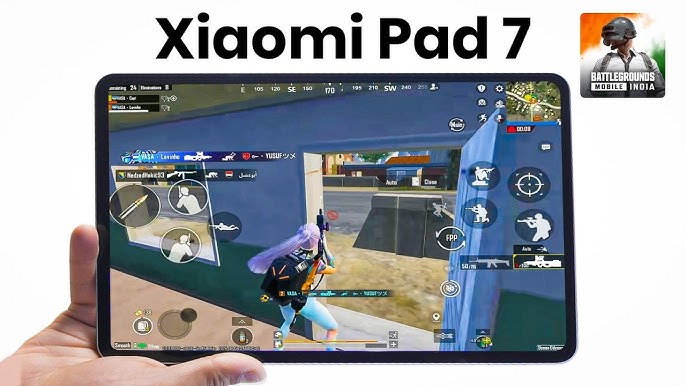
- Fortnite runs at a smooth 60fps on Epic preset settings. The Xiaomi Pad 7 is able to achieve 60fps with the Epic preset in Fortnite, and older less-demanding titles like Minecraft and Roblox run buttery smooth at a stable 60fps with the tablet staying cool throughout long sessions.
- COD Mobile runs well at moderate settings, though turning up the graphics quality in Call of Duty causes some framerate drops, with averages around 20fps at high settings as per Fossbytes
One important caveat: high frame rate gaming in PUBG Mobile is capped at 90fps as the 120fps option is not supported by the Xiaomi Pad 7. If you’re a serious competitive gamer who needs maximum frame rates in every title, the OnePlus Pad 3 with the Snapdragon 8 Elite is the more capable option. But for casual to serious gaming at a reasonable price, the Pad 7 delivers an excellent experience.
Xiaomi Pad 7 vs iPad 10th Gen: Which Should You Buy?
This is the comparison most Indian buyers are making — and it’s a genuinely interesting one because the two tablets take very different approaches. Here’s how they stack up:
| Xiaomi Pad 7 | iPad 10th Gen | |
|---|---|---|
| Display | 11.2″ 3.2K, 144Hz, Dolby Vision | 10.9″ 2360×1640, 60Hz |
| Chip | Snapdragon 7+ Gen 3 | Apple A14 Bionic |
| RAM | 8GB / 12GB | 4GB |
| Storage (base) | 128GB | 64GB |
| Battery | 8,850 mAh, 45W charging | ~7,600 mAh, 20W charging |
| Stylus | Focus Pen (sold separately) | Apple Pencil 1st Gen |
| OS Updates | Android 15, HyperOS 2 | iPadOS 18, long-term support |
| Price in India | From Rs 27,999 | From Rs 48,899 |
Display: Xiaomi Pad 7 wins clearly. The Xiaomi Pad 7 stands out with its higher resolution display and 144Hz refresh rate, offering a significantly smoother experience for gaming and general use compared to the iPad 10’s 60Hz panel. If you spend a lot of time consuming content or gaming, the Pad 7’s screen is noticeably better in everyday use.
Performance: iPad wins, but it depends on what you do. The Apple A14 Bionic is a more powerful chip in raw benchmarks, and Apple’s software optimisation means it punches above its specs. The iPad boasts significantly faster CPU and GPU performance, and can run productivity and content creation apps like LumaFusion, Canva, Affinity Designer, and GarageBand smoothly. For general Android tasks and gaming, the Pad 7 is fast enough — but for heavy creative work, the iPad has an edge.
Battery and Charging: Xiaomi Pad 7 wins convincingly. The 8,850 mAh battery with 45W charging is a meaningful advantage over the iPad 10’s smaller battery and 20W charging. The Xiaomi Pad 7 excels in battery life and charging speed at its price point as stated by Chrome-Stats
Value for Money: Xiaomi Pad 7 wins easily. The Xiaomi Pad 7 is currently available for around Rs 28,399 while the iPad 10th Gen starts at Rs 48,899 according to Android Police — a difference of over Rs 20,000. That gap buys you the Focus Pen, the Focus Keyboard, and still leaves money to spare.
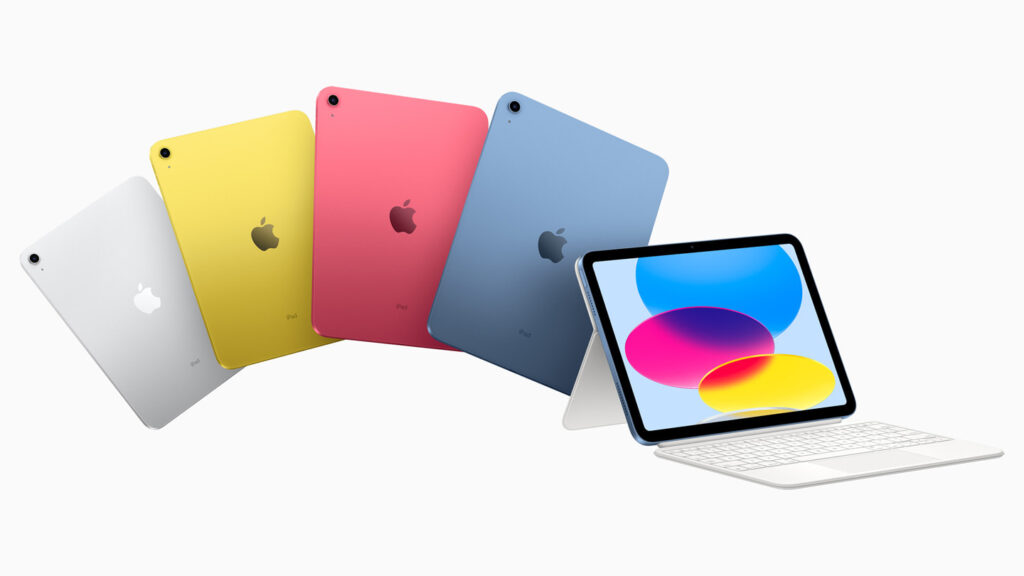
The bottom line: If you’re in the Apple ecosystem already, own an iPhone, and rely on iPad-exclusive apps like GoodNotes or Procreate, the iPad 10th Gen makes sense despite the higher price. But if you’re an Android user who wants the best possible display, longer battery life, and more storage for significantly less money — the Xiaomi Pad 7 is the smarter buy in 2026.
Also read : Best Laptop for Students Under 1 Lakh in India(2026 Edition)
Accessories: A Full Productivity Ecosystem
Xiaomi has built a compelling accessory lineup for the Pad 7, making it a genuine laptop alternative for light work:
- Xiaomi Focus Pen (Rs 5,999) — Supports 8,192 levels of pressure sensitivity, 0g activation force, and 240Hz sampling rate on the Pad 7. Three physical buttons enable presentation control, and AI Art integration lets you turn rough sketches into refined images via HyperAI.
- Xiaomi Focus Keyboard (Rs 8,999) — The standard keyboard cover connects via pogo pins and folds to multiple angles. A premium floating hinge variant is also available, providing a laptop-style adjustable screen angle.
- Xiaomi Pad 7 Cover (Rs 1,499) — Vegan leather cover with triangular stand and a holder for the Focus Pen so it doesn’t get lost.
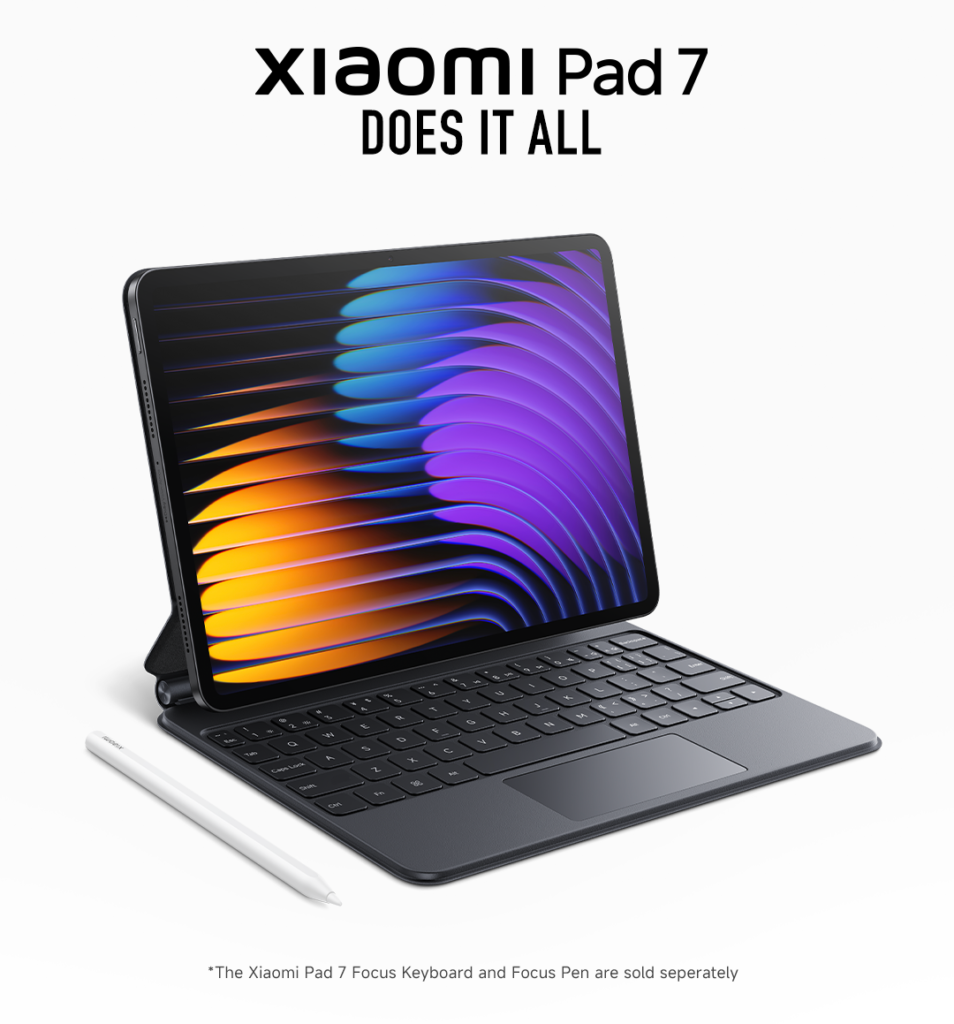
Buying the Pad 7 with the Focus Pen and Focus Keyboard brings the total cost to around Rs 44,000 — still significantly less than an entry-level iPad with equivalent accessories.
Xiaomi Pad 7: Pros and Cons
| Pros | Cons |
| Outstanding 3.2K 144Hz IPS display Snapdragon 7+ Gen 3 handles everything smoothly Android 15 with HyperOS 2 out of the box 4-year software update commitment Nano Texture Glass option (anti-glare) 240Hz Focus Pen support Excellent front camera with FocusFrame AI Google Gemini built-in system-wide Wi-Fi 6E for ultra-fast wireless Solid aluminium build at this price | No fingerprint sensor (face unlock only) 45W charger not included in box Battery drains faster under heavy load No 5G / cellular connectivity No headphone jack No microSD expansion Focus Pen and Keyboard sold separately Heavier than iPad Air at 500g |
Xiaomi Pad 7 vs Competitors in India (2026)
| Xiaomi Pad 7 | OnePlus Pad 3 | Samsung Tab A9+ | Realme Pad 3 | |
| Display | 11.2″ 3.2K 144Hz | 13.2″ 3.4K 144Hz | 11″ FHD+ 90Hz | 11.7″ 2K 144Hz |
| Chip | SD 7+ Gen 3 | SD 8 Elite | SD 695 | SD 685 |
| RAM | 8GB / 12GB | 12GB | 4GB / 8GB | 8GB |
| Battery | 8,850 mAh | 12,140 mAh | 7,040 mAh | 8,360 mAh |
| OS | Android 15 HyperOS 2 | Android 15 OxygenOS | Android 14 OneUI | Android 14 Realme UI |
| Stylus | Yes (sold separately) | Yes (included) | Yes (sold separately) | Yes (sold separately) |
| Price (India) | ~Rs 27,999 | ~Rs 44,999 | ~Rs 24,999 | ~Rs 30,599 |
FAQs: Xiaomi Pad 7
Is the Xiaomi Pad 7 worth buying in 2026?
Absolutely yes. The Xiaomi Pad 7 offers one of the best display, performance, and software combinations in the sub-Rs 35,000 Android tablet category. With Android 15, HyperOS 2, 4-year update support, and a 3.2K 144Hz screen, it holds up exceptionally well in 2026.
What is the Xiaomi Pad 7 price in India in 2026?
As of early 2026, the Xiaomi Pad 7 starts at Rs 27,999 for the 8GB + 128GB variant. The 12GB + 256GB variant is priced at Rs 30,999, and the Nano Texture Glass (anti-glare) edition retails for Rs 32,999. Prices may vary during sales on Flipkart and Amazon India.
Does the Xiaomi Pad 7 have a fingerprint sensor?
No, the Xiaomi Pad 7 does not have a fingerprint sensor. You can unlock it using face unlock, a PIN, or a password. Face unlock works quickly and reliably in most lighting conditions.
How long does the Xiaomi Pad 7 battery last?
For moderate use — streaming, browsing, and light work — the 8,850 mAh battery comfortably lasts a full day and sometimes pushes into two. Under heavy load like sustained 144Hz gaming, expect around 5-6 hours of screen-on time.
Does the Xiaomi Pad 7 support 5G?
No. The Xiaomi Pad 7 is a Wi-Fi only tablet and does not support 4G or 5G cellular connectivity. It supports Wi-Fi 6E for fast wireless speeds, but you’ll need a hotspot or Wi-Fi network to get online.
What Android version does the Xiaomi Pad 7 run?
The Xiaomi Pad 7 ships with Android 15 and HyperOS 2. Xiaomi has committed to 4 years of software updates for this device, meaning it should receive updates through Android 19.
Is the Xiaomi Pad 7 good for students?
Yes, the Xiaomi Pad 7 is an excellent tablet for students. The 3.2K display is great for reading and note-taking, the Focus Pen offers precise stylus input for handwriting, the FocusFrame front camera is ideal for online classes, and the Nano Texture Glass edition reduces eye strain during long study sessions.
Final Verdict: Xiaomi Pad 7 is the Android Tablet to Beat in 2026
The Xiaomi Pad 7 is not a revolutionary product — it’s a refinement of everything Xiaomi did well with the Pad 6, amplified with a faster chip, a sharper display, better software, and a stronger accessories ecosystem. In 2026, with prices settling around Rs 27,999 and HyperOS 2 running Android 15, it’s an even more compelling buy than it was at launch.
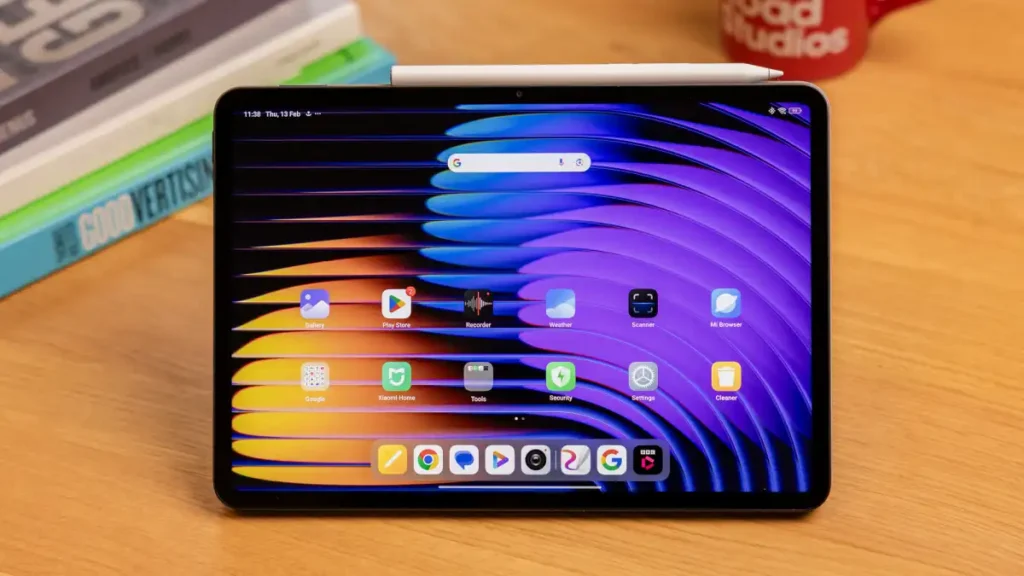
For students who need a capable note-taking and study companion, the Nano Texture edition with the Focus Pen is hard to beat at this price. For media lovers, the 3.2K 144Hz Dolby Vision display and quad Dolby Atmos speakers make it one of the best streaming tablets available under Rs 35,000. And for productivity users, the Focus Keyboard and HyperOS 2’s desktop-like multitasking make it a lightweight laptop replacement for lighter workloads.
If you don’t need a huge 13-inch screen or cellular connectivity, and you’re not wedded to the Samsung ecosystem, the Xiaomi Pad 7 is the smartest purchase you can make in the Android tablet space in 2026.
Our Rating: 9 / 10 — Class-leading display, strong performance, excellent software, minor battery and accessory pricing caveats.
Have a question about the Xiaomi Pad 7 or want to compare it with a specific tablet? Drop a comment below — we read every single one!